
7 Impactful Heart Disease Statistics
Published on October 1, 2020
Published on
October 1, 2020

Cardiovascular disease, or heart disease, is one of the most prevalent health issues that Americans face in their lifetimes. Cardiovascular disease can include coronary artery disease, heart attack, high blood pressure, stroke, angina, and rheumatic heart disease, and remains the leading cause of death in the United States. Heart disease accounts for about one million deaths each year. While many factors like family history and age can contribute to the onset of common heart diseases like coronary artery disease, lifestyle choices can greatly reduce a person’s risk for heart disease.
It’s important to understand the impact of cardiovascular disease in the United States and what can be done to improve these staggering figures. Here are some 2020 heart disease statistics that may surprise you:
One person dies every 36 seconds in the United States from cardiovascular disease.
About 655,000 Americans die from heart disease every single year. That is 1 in every 4 deaths.
Death Due to Cardiovascular Disease
Death from cardiovascular disease is expected to surpass 22 million by 2030. Research from the American Heart Association noted that while cardiovascular disease accounted for approximately 17.8 million deaths in 2017, the 2020 statistical fact sheet revealed that this number is expected to grow to more than 22.2 million by 2030.

From 2014-2015, heart disease cost the United States about $219 billion each year in healthcare services, medicines, and lost productivity due to death. Researchers expect that this cost will rise to $749 billion by 2035.
Heart disease kills 1 in 4 men and 1 in 5 women. Additionally, as of 2020 the U.S. Department of Health and Human Services found that woman age 45-65 who have a heart attack are more likely than their male counterparts to die within a year. Women older than 65 who experience a heart attack are more likely than man of the same age to die within a few weeks.
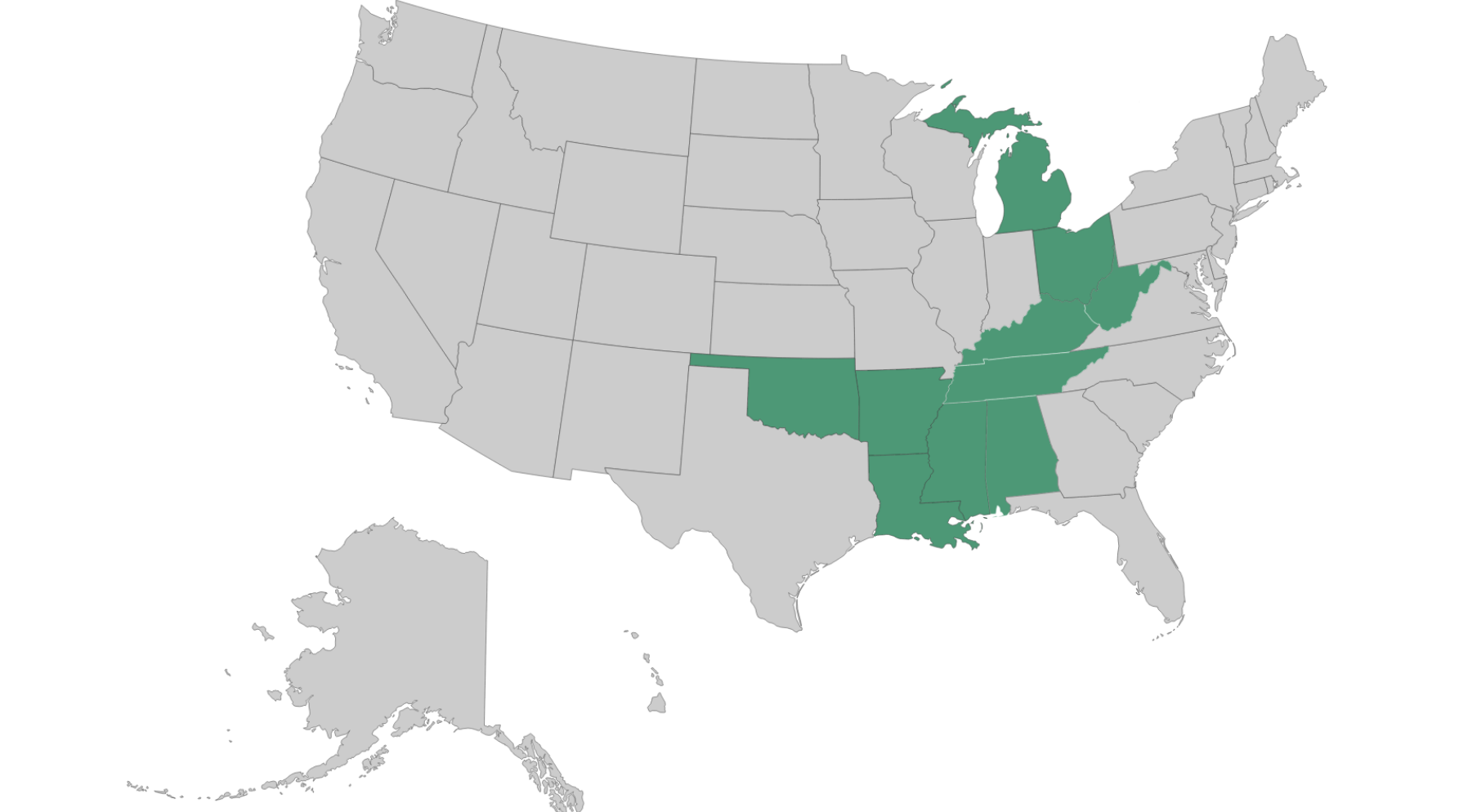
The top 10 states with the highest age-adjusted cardiovascular disease death rate are: Oklahoma, Alabama, Mississippi, Arkansas, Louisiana, Tennessee, Kentucky, West Virginia, Michigan, and Ohio.
Some of the contributing factors for cardiovascular disease are affected by a person’s lifestyle choices, and can therefore be managed to reduce the risk of heart disease. The top contributors to heart disease include:
Demographics
Social determinants
Lifestyle
Solutions to support better health
Implementing a behaviorally based intervention creates positive outcomes for patients with heart disease because they impact both the lifestyle of the patient and their medical condition. Personal Concierge works to support better heart health, and contributes to the following outcomes:
VIEW PROVEN RESULTS WITH OUR LATEST WHITE PAPER AND LEARN MORE ABOUT CARDIAC IMPLEMENTATION OF PERSONAL CONCIERGE™
Download our white paper created in collaboration with The Heart House, detailing their Cardiac Concierge Care Program. Learn how the program measured a 98% medication adherence rate (versus 40-50% for the national average) and a 43% decrease in tobacco use following program enrollment.