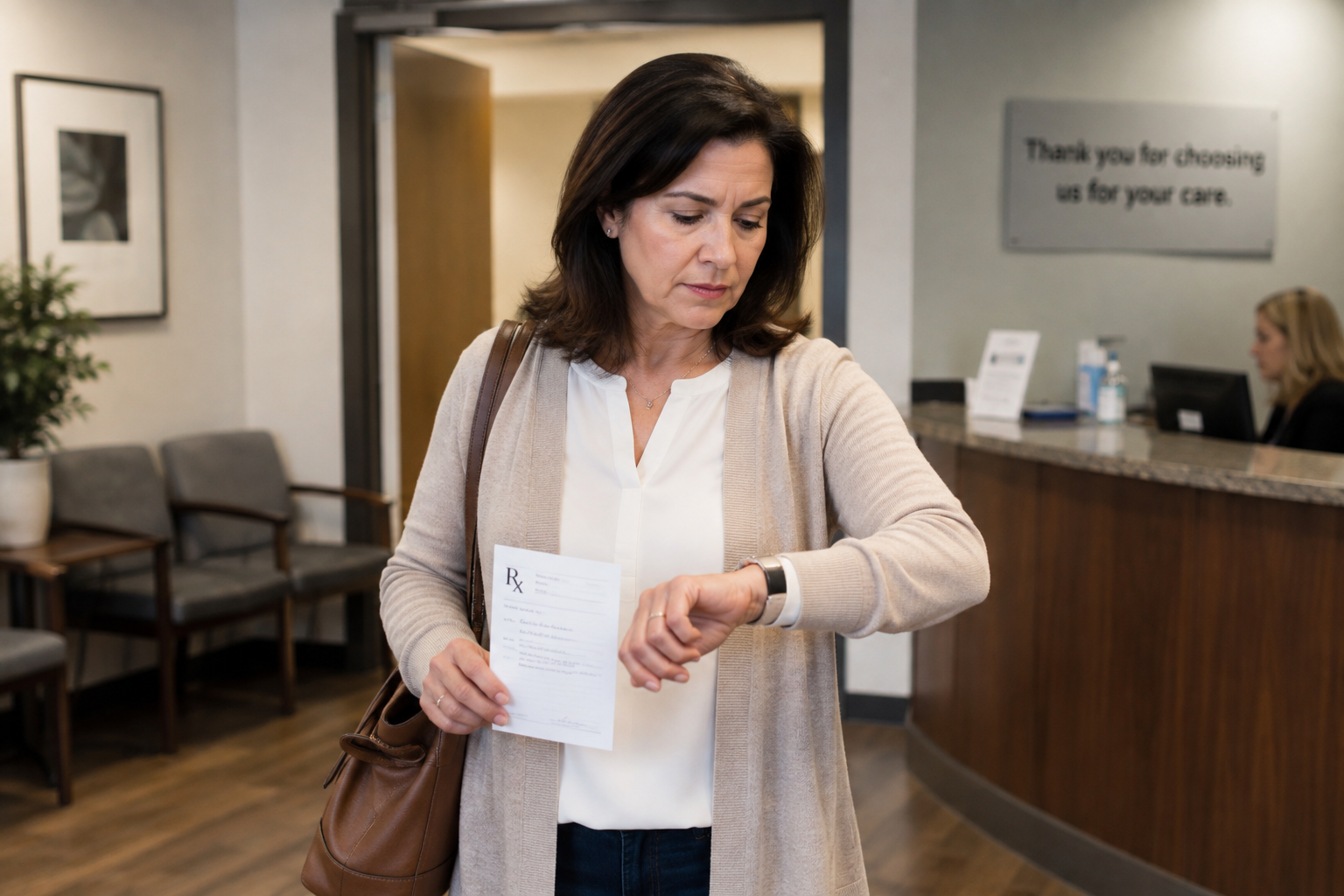
Why Healthcare Engagement Isn’t Reaching the People Who Need It Most
Published on April 8, 2026
Published on
April 8, 2026

Key Takeaways
- Low patient engagement is often a design issue, not a participation issue
- Outreach volume does not equal effective reach
- Engagement must be timely, relevant, and actionable to drive outcomes
- Poor engagement contributes directly to care gaps, missed appointments, and avoidable utilization
- Improving engagement requires focusing on connection—not just communication
Healthcare organizations have never had more ways to reach people.
- Texts
- Emails
- Patient portals
- Mobile apps
- Care managers
- Provider outreach
And yet, many still struggle to engage the people who need support the most.
- Messages are sent
- Programs are in place
- Outreach is increasing
But patient engagement remains low, and reach is often uneven.
This isn’t simply a participation problem. It’s a healthcare engagement design problem.
Engagement Isn’t Just About Reach
Low engagement is often framed as a lack of response.
- People didn’t click
- Didn’t respond
- Didn’t follow through
But in many cases, the issue isn’t willingness.
It’s whether the outreach:
- reaches people at the right time
- feels relevant to their situation
- makes the next step clear and achievable
When those conditions aren’t met, even well-intentioned patient engagement programs struggle to gain traction. More outreach doesn’t automatically expand reach. It can simply increase noise.
The Illusion of Coverage in Patient Engagement
From an operational perspective, engagement activity can look strong.
High message volume.
Multiple communication channels.
Frequent outreach campaigns.
On paper, it appears that populations are being reached. But activity doesn’t always translate to connection.
- Messages are delivered, but not absorbed
- Reminders are received, but not acted on
- Outreach happens, but engagement doesn’t follow
This creates a gap between engagement coverage and real-world impact, and that gap is where many healthcare engagement strategies fall short.
Why Patient Engagement Fails to Connect
People don’t experience healthcare as programs or campaigns. They experience it as moments.
Moments when they are: busy, uncertain, overwhelmed and trying to prioritize what matters. In those moments, engagement has to do more than inform.
It has to:
- feel personally relevant
- arrive at the right time
- reduce effort, not add to it
When outreach misses those conditions, even slightly, it becomes easy to ignore or delay. Not because people don’t care, but because it doesn’t fit into what they need in that moment.
Limited Reach Isn’t Always About Access
It’s easy to assume that limited reach is a channel problem. The wrong platform. Outdated contact information. Not enough touchpoints.
Those challenges exist, but they’re only part of the picture. In many cases, the issue is that outreach isn’t resonating. If a message doesn’t feel relevant, actionable, or timely, it doesn’t truly “reach” the person, even if it’s delivered.
True reach in healthcare engagement isn’t just about delivery. It’s about connection.
The Link Between Engagement and Outcomes
This is why low engagement often shows up alongside:
- persistent care gaps
- missed appointments
- incomplete follow-up
- avoidable utilization
Not because outreach is absent, but because it isn’t connecting in a way that drives action. When engagement doesn’t lead to action, outcomes don’t change. And when outcomes don’t change, organizations often respond by increasing outreach, and therefore, repeating the cycle.
What Effective Healthcare Engagement Looks Like
Organizations making progress are shifting their focus. Not toward more outreach, but toward better engagement.
That means designing engagement to be:
- timely — aligned with when decisions are made
- relevant — tailored to individual context
- actionable — clear on what to do next
- easy — reducing friction wherever possible
When engagement meets these conditions, something changes. People don’t have to work as hard to engage, and they are more likely to respond, follow through, and stay on track. When that happens, engagement doesn’t need to be forced.
It starts to happen more naturally, across the care journey.
Start Mapping Where Engagement Breaks Down
If you organization is evaluating where engagement may not be reaching or activating your population effectively, a structured approach can help.
GoMo Health’s Engagement Journey Builder allows you to:
- identify where engagement gaps exist
- map breakdowns across the care journey
- prioritize actions to improve outcomes