What It Takes to Close Care Gaps in Rural Communities: Why Between-Visit Engagement Is the Missing Piece
Published on May 14, 2026
Published on
May 14, 2026

Across rural communities, healthcare providers are facing mounting challenges: higher chronic disease rates, transportation barriers, workforce shortages, delayed preventive care, and limited access to specialty services. For Medicaid populations in particular, these challenges often extend far beyond the walls of the clinic.
In many rural communities, the challenge is not simply getting people into care – it’s helping them stay connected to care once they return home.
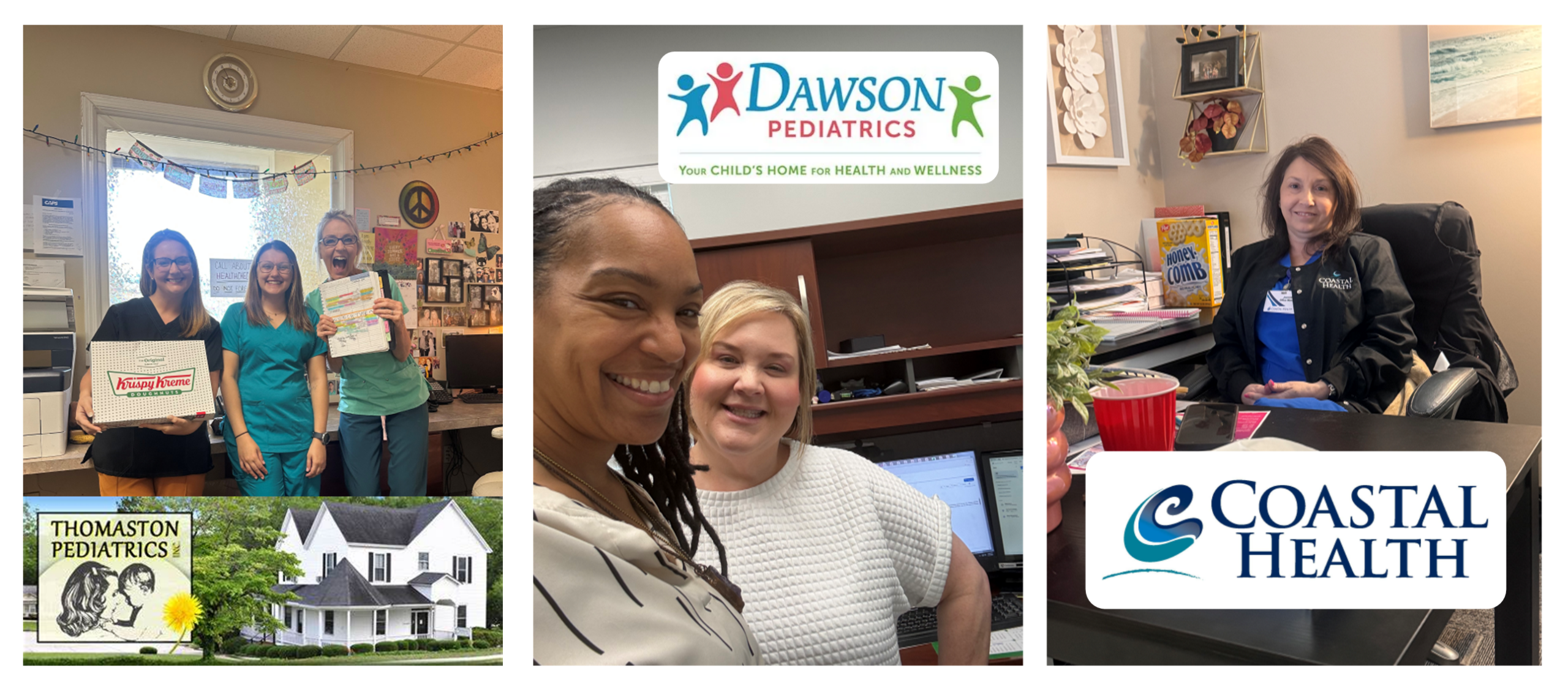
As part of a newly announced statewide rural health initiative in Georgia, developed in partnership with GoMo Health, providers, community organizations, and healthcare leaders are working together to strengthen support for Medicaid families across underserved communities. The effort combines in-person provider engagement with personalized, technology-enabled support designed to help improve care coordination, reinforce care plans, and close gaps in care between visits.
The Challenge Isn’t Just Access: It’s Follow-Through
For providers already balancing limited staffing, increasing administrative burden, and growing population health demands, maintaining consistent engagement outside the clinical setting can be difficult – especially across geographically dispersed communities.
Yet the moments between appointments are often where care plans succeed or break down.
Patients may leave a visit understanding what they need to do next, but real-life barriers can quickly disrupt follow-through. Transportation challenges, medication adherence, scheduling difficulties, financial strain, and competing life demands all impact a person’s ability to stay engaged in care.
In rural communities, where specialty resources may be limited and care teams are often stretched thin, these challenges can become even more pronounced.
The Moments Between Visits Matter Most
Many individuals managing chronic conditions, maternal health needs, or preventive care requirements need ongoing reinforcement and support beyond the clinical encounter itself.
Patients may struggle with:
- Transportation challenges
- Medication adherence
- Follow-up appointments
- Chronic disease management
- Maternal health support
- Understanding next steps in their care journey
- Accessing food, housing, or community resources
These barriers can contribute to avoidable emergency department utilization, delayed treatment, worsening chronic conditions, and preventable gaps in care.
Healthcare organizations across diverse and underserved populations are increasingly using personalized digital engagement to help reinforce care plans, improve follow-through, and strengthen care coordination between visits.
One example of this approach is the Mom’s Heart Matters program, which combines personalized outreach, digital engagement, and community-based support to help high-risk maternal populations in Georgia better navigate care, access resources, and stay engaged throughout pregnancy and postpartum care. By extending support beyond traditional clinical interactions, the program helped strengthen care coordination and improve engagement for vulnerable populations across underserved, rural communities.
Extending the Reach of Rural Care Teams
That’s why extending care beyond traditional clinical settings is becoming increasingly important in rural healthcare delivery.
Personalized digital engagement—including timely reminders, educational outreach, care alerts, and real-time support—can help reinforce provider care plans while making it easier for individuals to stay informed, connected, and engaged throughout their healthcare journey. Importantly, these tools are most effective when they support, not replace, the trusted relationships providers already have with their patients and communities.
For providers, technology-enabled engagement can also create greater visibility into patient needs and opportunities for intervention, helping improve care coordination, quality performance, and continuity of care across populations.
In rural communities, where resources are often stretched and providers are asked to do more with less, this kind of support can help extend the reach and impact of care teams without adding unnecessary complexity for patients.
Turning Access Into Outcomes
Healthcare innovation is often discussed at a systems level. But meaningful progress happens locally, through stronger provider relationships, better communication, and tools that help people follow through on care in real life.
Improving outcomes in rural communities will require healthcare organizations, providers, policymakers, and community partners working together to make care more connected, more personalized, and easier to navigate for the people who need it most.
Because improving access is only the beginning. Sustained engagement between visits is what helps turn access into outcomes.
Rural healthcare challenges require solutions that support both providers and the people they serve—before, during, and between visits. Learn more about how personalized engagement strategies are helping healthcare organizations strengthen continuity of care and improve outcomes across diverse populations.