Why Improving Patient Adherence Is So Difficult and What Actually Works
Published on April 14, 2026
Published on
April 14, 2026

Improving patient adherence has long been a priority across healthcare.
Whether it’s medication adherence, following a care plan, or completing recommended next steps, adherence directly impacts outcomes, costs, and quality performance.
And yet, despite significant effort and investment, improving adherence remains one of the most persistent challenges healthcare organizations face. Not because people don’t understand what to do, but because understanding and follow-through are two very different things.
The Gap Between Knowing and Doing
In many cases, patients leave a visit with a clear understanding of their care plan.
They receive instructions.
They understand the importance of adherence.
They intend to follow through.
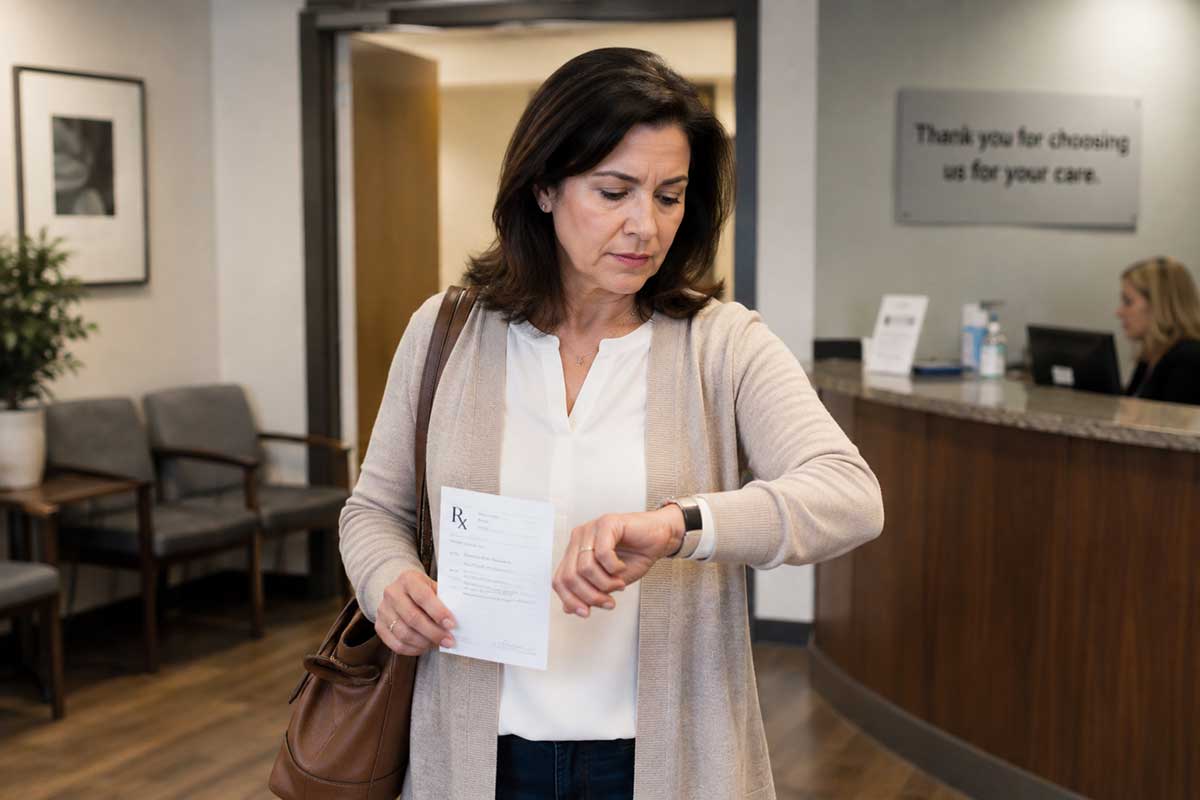
But somewhere between intention and action, adherence breaks down.
A prescription isn’t filled.
A dose is missed.
A routine isn’t maintained.
This is not simply an information gap. It’s a behavior gap.
Adherence Happens in Moments, Not Milestones
Adherence is often treated as a single decision:
Take the medication.
Follow the plan.
Stay on track.
In reality, adherence is a series of decisions made over time:
Do I start the medication today?
Do I remember to take it tonight?
Do I continue once I start feeling better?
Do I stay consistent when my routine changes?
Each of these moments introduces risk.
And most adherence strategies are not designed to support these moments. They’re designed to communicate expectations.
Why Traditional Adherence Strategies Fall Short
Many adherence programs rely heavily on reminders and static outreach.
A notification is sent.
A call is made.
A message is delivered.
While these efforts increase awareness, they don’t always translate into action.
Research in behavioral science consistently shows that people are more likely to follow through when engagement:
- aligns with their daily routines
- feels relevant to their situation
- reduces effort and friction
- provides clear, immediate next steps
Without these elements, reminders become easy to ignore or postpone.
The Role of Real Life in Adherence
Adherence doesn’t happen in isolation. It happens in the context of everyday life.
Work schedules shift.
Family responsibilities take priority.
Side effects introduce uncertainty.
Motivation fluctuates.
Even small disruptions can lead to missed steps. Over time, these missed moments accumulate and adherence declines. This is why improving adherence isn’t just about starting strong. It’s about sustaining support over time.
What Actually Improves Adherence
Healthcare organizations that are making progress are changing how they approach adherence.
They are moving away from:
- one-time instructions
- generic reminders
- static communication
And toward:
- continuous, adaptive engagement
- personalized, context-aware communication
- support designed around real-world behavior
This shift reflects a deeper understanding: adherence isn’t about telling people what to do.
It’s about helping them do it consistently.
From Compliance to Support
Adherence is often framed as a compliance issue, but in practice, it’s a support issue.
When engagement is designed to:
- anticipate common drop-off points
- guide individuals through small decisions
- reinforce progress over time
follow-through becomes more sustainable.
And when adherence improves, outcomes follow—across chronic condition management, preventive care, and overall health.
A More Effective Path Forward
Improving adherence will always require strong clinical guidance and clear communication, but it also requires a deeper focus on behavior.
Data can identify where adherence is falling short. Engagement can support people in staying on track.
When healthcare organizations design around how people actually make decisions—not how we assume they should—adherence becomes far more achievable.
Start by Understanding Where Adherence Breaks Down
Before improving adherence, it’s critical to understand where it’s breaking down across the care journey.
Is it:
- after the initial prescription?
- between doses or routines?
- during transitions in care or life circumstances?
Mapping these moments can help identify where support is needed most, and how to design engagement that leads to sustained follow-through.
If you’re evaluating how to improve adherence across your population, exploring where engagement may not be supporting follow-through can be a valuable starting point. Check out GoMo Health’s new complimentary Engagement Journey Builder to map this out for your organization in 60 seconds.