Nutrition Isn’t About Willpower, It’s About Systems
Published on August 13, 2026
Published on
August 13, 2026
Practical strategies for healthcare professionals
By Dr. Felicia Stoler
This article highlights key takeaways from Eat Like Your Life Depends On It, the first session of GoMo Health’s Healthcare Professional Reset Series. If you’d like to dive deeper into the strategies discussed below, you can download the complimentary webinar recordings at the end of this article.
Healthcare professionals know what healthy eating looks like.
The challenge isn't knowledge—it's reality.
Long shifts. Back-to-back appointments. Missed breaks. Decision fatigue. Grabbing whatever food is available between patients or meetings. By the end of the day, you're exhausted, hungry, and wondering why maintaining healthy habits feels so difficult.
If any of that sounds familiar, you're not alone.
One of the biggest misconceptions about nutrition is that poor eating habits come down to a lack of discipline. In reality, they're often the result of systems that make healthy choices harder than they need to be. During our recent Healthcare Professional Reset webinar, we talked about why nutrition is less about willpower and more about creating routines that support your energy, focus, and long-term health.
One live poll illustrated this perfectly.
When attendees were asked about their go-to energy boost during a busy day, nearly two-thirds said coffee.
☕ Coffee — 61%
🍬 Something sweet — 17%
🥤 Energy drink or soda — 11%
🚶 "I just push through." — 11%
Those results weren't surprising. They're also a reminder that many healthcare professionals are trying to solve an energy problem with caffeine when the real issue is often inconsistent fueling.
Coffee isn't the enemy. But caffeine can't replace the nutrition your body and your brain need to perform at their best.
Fuel your brain, not just your schedule
Skipping meals may feel productive in the moment, but it comes at a cost. When blood sugar drops, so can focus, decision-making, mood, and energy. Over time, that cycle can lead to stronger cravings, overeating later in the day, and feeling like you're constantly trying to catch up. Instead of striving for perfect eating habits, focus on consistency.
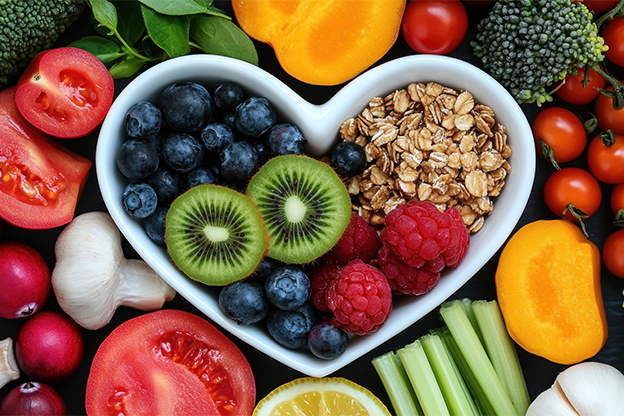
Aim to eat every three to four hours and build meals around a balance of fruits and vegetables, whole grains, lean protein, and healthy fats. That combination helps provide steadier energy throughout the day and supports cognitive performance when you need it most.
The questions healthcare professionals asked most
One of my favorite parts of the webinar was the audience Q&A. Many of the questions reflected challenges I hear every day from busy professionals.
Question 1: How can I meal prep when I barely have time to cook?
Meal prep doesn't have to mean preparing every meal for the week.
Instead, prepare your environment. Wash produce after grocery shopping. Portion healthy snacks ahead of time. Cook extra at dinner so tomorrow's lunch is already made. Keep shelf-stable options available for busy days.
Healthy habits become much easier when healthy choices are convenient.
Question 2: Why do I always feel tired after lunch?
Often, it's not lunch itself, but what's on your plate.
Meals built around fiber, lean protein, healthy fats, and complex carbohydrates digest more steadily than meals made primarily of refined carbohydrates, helping support more consistent energy throughout the afternoon. Hydration also plays an important role, and dehydration is often overlooked as a contributor to fatigue.
Question 3: How do I know if I'm hungry, or just stressed?
This may have been my favorite question. My recommendation is simple:
- Start with a glass of water.
- Think about when you last ate.
- If it's been several hours, choose a balanced snack.
If you've eaten recently, sometimes what you really need is a short break. Stand up, walk for a few minutes, step outside, or simply give yourself permission to pause before automatically reaching for food.
Question 4: How can I tell if a food is actually healthy?
Marketing on the front of a package can be misleading. Instead, turn the package over.
Start with the Nutrition Facts label. Look at serving size, fiber, sodium, and the overall nutrient profile. Whenever possible, choose foods that are closer to the way they're found in nature.
Progress over perfection
One of the most important ideas I hope attendees took away from this session is that healthy eating doesn't require perfection.
Small, sustainable habits such as eating regularly, staying hydrated, building balanced meals, and planning ahead just a little—can make a meaningful difference in how you feel throughout the workday.
Healthcare professionals dedicate their careers to caring for others. Supporting your own health isn't a luxury. It's an investment in your ability to continue doing that work.
Because at the end of the day, nutrition isn't about willpower.
It's about creating systems that help you succeed.
Continue the Conversation
Building healthier habits doesn't happen overnight, but small, intentional changes can have a lasting impact on your energy, focus, and overall well-being.
If you missed Eat Like Your Life Depends On It, you can still benefit from Dr. Felicia Stoler's practical, evidence-based strategies.
Watch the complimentary on-demand recording to learn how to:
- Build balanced meals that support sustained energy
- Avoid the blood sugar spike-and-crash cycle
- Upgrade your snacks
- Stay hydrated throughout the workday
- Use caffeine more intentionally