What a Journey 3,000 Miles Across Rural Georgia is Teaching Us About Closing Gaps in Care
Published on October 7, 2026
Published on
October 7, 2026
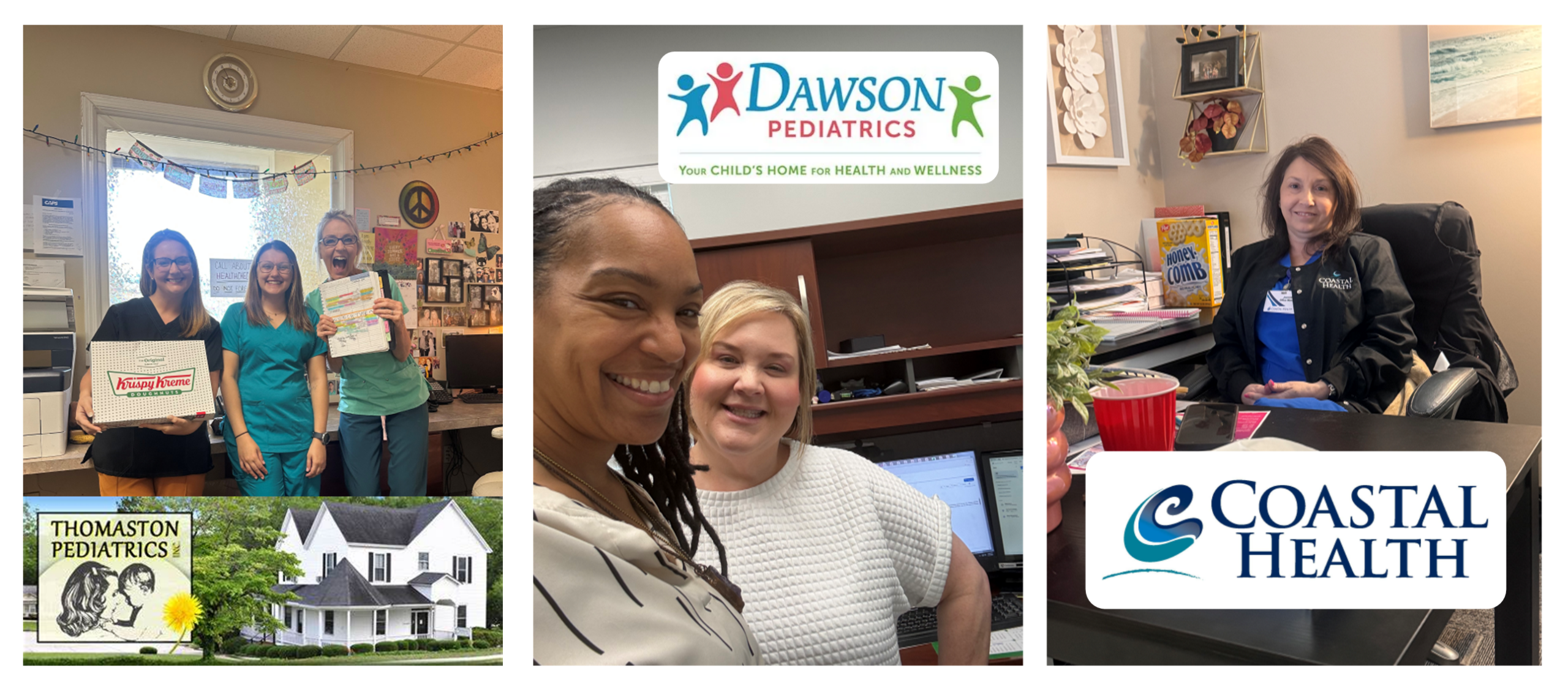
The most valuable insights into care delivery barriers don’t come from looking at a dashboard; but from speaking with the clinicians delivering care every day and asking a simple question: What’s getting in the way?
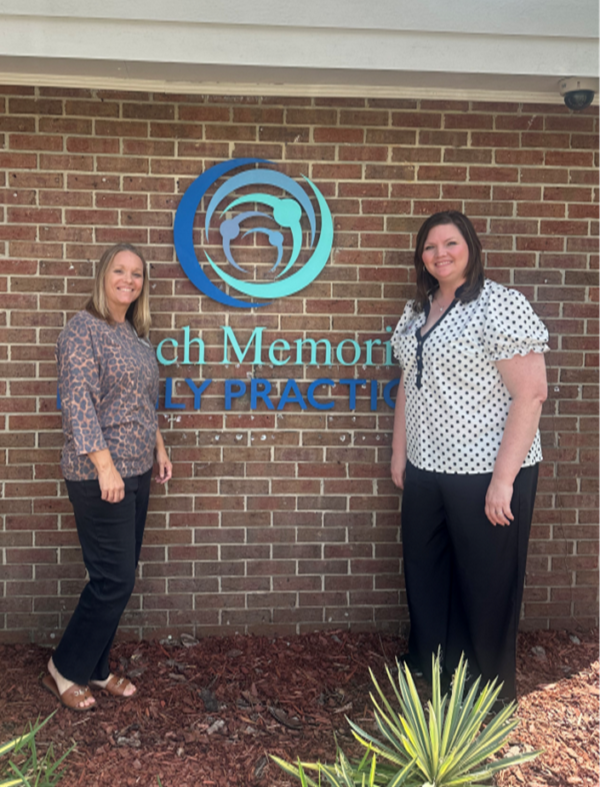
That is exactly what Amerigroup Community Care of Georgia has been doing through its statewide Rural Health Program; traveling directly to rural practices, listening to providers and connecting them with resources designed to address the challenges they and their patients experience every day.
Now at the midpoint of the initiative, those conversations are beginning to paint an important picture of what it takes to close care gaps in rural communities.
More Than Miles: Listening to Rural Georgia
Since launching this summer, the Amerigroup Rural Health Program has traveled more than 3,000 miles, visiting 61 provider locations across 54 Georgia communities.
But the significance of those numbers isn’t simply how much ground has been covered. It’s what is being learned along the way.
Providers have identified challenges affecting patients including transportation, health literacy, digital access, and disruptions in Medicaid eligibility. At the practice level, they are navigating missed appointments, limited access to pediatric specialists, high patient volumes, and administrative issues that can take valuable time away from patient care.
These aren’t isolated challenges. They often overlap, creating a much more complicated healthcare experience for both the person needing the care and the provider trying to deliver it. And they reinforce something we believe strongly at GoMo Health: you cannot effectively support a population without first understanding what people are experiencing in the context of their everyday lives.
Closing a Care Gap Starts With Understanding Why It Exists
 Healthcare organizations have access to more data than ever before. We can identify missed vaccinations, overdue well-child visits, gaps in medication adherence, and other opportunities for intervention.
But identifying a care gap and resolving it are two very different things.
A missed appointment might appear as a single data point. Behind it could be a lack of transportation, an unpredictable work schedule, difficulty finding childcare, or uncertainty about what the appointment is for.
An overdue screening may not reflect a lack of concern. The person may not understand why the screening matters, may have difficulty navigating the healthcare system, or may simply be focused on more immediate priorities.
That’s why closing care gaps requires more than telling someone what they need to do. It requires understanding what may be preventing them from doing it and providing support that fits into real life.
Turning Provider Insight Into Action
One of the most valuable aspects of the Rural Health program is its focus on bidirectional learning.
Amerigroup isn’t simply bringing information into rural practices. The team is listening to providers, learning what is creating friction, and bringing those insights back to identify opportunities for additional support.
At the same time, providers are being connected with practical resources they can use in their practices, including a secure digital provider toolkit and scorecard designed to help identify outstanding health needs and care gaps.
The scorecard provides provider-specific care delivery and patient data, helping clinicians see where gaps exist, identify which patients need specific services, and determine what care is needed to help close those gaps.
Providers also have access to resources that support administrative workflows, including proper claims submission. Together, these targeted insights and resources can help clinicians take more informed action to address care gaps and directly impact HEDIS measures.
That combination matters. Data can tell us where an opportunity exists. Provider insight can help us understand the context. Personalized engagement helps turn that understanding into action.
Extending Support Beyond the Provider Visit
 For rural providers already managing high patient volumes and limited resources, solving every barrier during an office visit isn’t realistic.
Support has to extend beyond the walls of the practice.
That’s where personalized digital engagement can play an important role: reinforcing care plans, delivering relevant education and alerts, and helping individuals stay engaged between healthcare encounters.
At the core of this program is the GoMo Health evidence-based science of engagement that helps extend the reach of in person support through personalized digital health engagement.
Rather than expecting people to continually navigate complex systems in search of information, behavioral engagement meets people in the moments when information and support are most relevant, helping make the next step clearer and easier to accomplish.
Technology doesn’t replace the relationship between a patient and their healthcare provider. It helps extend the reach of that relationship into the days and weeks between visits.
From Individual Practices to a Rural Health Community
The initiative is also creating opportunities for the insights gathered locally to become part of a larger conversation.
In August, Amerigroup brought providers, rural health leaders and community organizations together in Savannah to discuss what the tour has uncovered and explore opportunities to strengthen rural healthcare across Georgia.
That exchange matters because many of the barriers facing rural healthcare cannot be solved by a single provider, health plan, technology platform, or community organization.
Progress depends on connecting those perspectives. When providers communicate care delivery barriers and patients can express where resources are needed, health plans can respond to those specified needs, and technology can help extend support at scale.
The result is a more connected approach to rural health care delivery, built around the realities of the communities being served.
The Road Ahead
Amerigroup plans to continue traveling across Georgia to reach its goal of meeting with more than 100 provider locations.
There will undoubtedly be more insights ahead. But one lesson is already clear:
Improving rural healthcare starts by listening locally.
Listen to the providers delivering care.
Listen to the people navigating barriers.
Understand what is getting in the way.
Then build support around what people actually need.
Closing care gaps isn’t only about creating more healthcare resources. It’s about making existing care, information, and support easier for people to access, understand, and act on, wherever they live.
Read the Latest Rural Health Program Update
Amerigroup Community Care of Georgia recently announced the midpoint milestone of the statewide Rural Health Program, including insights gathered from 61 provider locations across 54 Georgia communities.